As a front-end bulk material processing equipment centered on 'precision connection + reducing secondary handling', Hopper Feeder covers multiple series including static, tracked, heavy-duty, and biomass-specific models. It can directly receive materials from loaders, excavators, and grab cranes, and stably transfer bulk materials to downstream systems such as conveyors, stackers, and ship loaders through belt or chain plate conveying structures. Suitable for various materials such as sand, gravel, ore, coal, and biomass, it is widely used in scenarios without fixed yards or high-dynamic operations such as mining, ports, agriculture, and recycling.
I. How Does a Hopper Feeder Work?
A Hopper Feeder achieves efficient connection and processing of bulk materials through the collaboration of four major systems: 'feeding, conveying, control, and movement':
1. Feeding and receiving method: The equipment adopts a wide-mouth hopper (some with 60-70° inclined side walls for anti-blocking), directly receiving materials from loaders (e.g., CAT 994), excavators, or grab cranes. The hopper can be optionally equipped with 6mm hardened steel liners (for wear resistance) and material agitators (for anti-bridging in biomass models) to avoid material accumulation or scratching of the hopper body.
2. Conveying and regulation system: Light/medium-duty models use EP multi-layer wear-resistant belt conveying (e.g., 1200mm wide EP500 belt), while heavy-duty models use chain plate conveying (suitable for 250mm large-sized materials); the electrical system is equipped with PLC control, supporting frequency conversion speed regulation (matching downstream equipment capacity), blockage alarm, and emergency stop protection. Some models have remote control functions to realize unattended operation.
3. Power and movement system: Three power options are available: diesel-hydraulic (for scenarios without power supply), hybrid (energy-saving type), and pure electric (environmental protection scenarios); mobile models adopt tracked (large ground contact area, suitable for soft mining ground) or wheeled chassis (flexible transfer). Tracked models support hydraulic leveling, and wheeled models can be optionally adapted to railway tracks to meet movement needs in different sites.
II. Advantages of Hopper Feeders
1. Reduce secondary handling: Can directly connect front-end excavation equipment and downstream conveying equipment, avoiding secondary processing of materials (first stockpiling then transferring). The operation efficiency is 40%-60% higher than traditional methods, and the hourly processing capacity of a single heavy-duty model can reach 3000TPH, suitable for 24-hour continuous production.
2. Multi-scenario adaptation: Covers static (fixed workshop), tracked (mobile operation), heavy-duty (high-load mining), biomass (anti-adhesion and anti-blocking) and other series. The hopper capacity of 5-24m³ can be customized, capable of handling bulk materials with a particle size of 0-250mm, and suitable for more than 10 types of materials such as coal, ore, grain, and biomass.
3. Low energy consumption and easy maintenance: The service life of wearing parts such as wear-resistant belts/chain plates and hardened steel liners is 30% longer than that of ordinary equipment; centralized lubrication system and large-size access door design reduce maintenance time; hybrid/pure electric power consumes 20%-25% less energy than traditional diesel models, resulting in better long-term operating costs.
4. Global adaptation: Complies with international emission and safety standards such as EU Stage V/Tier 4 Final, and the electrical system reaches IP65 protection (dustproof and waterproof), meeting industrial compliance requirements in different regions such as Europe, America, and Southeast Asia.
III. Applicable Materials for Hopper Feeders
1. Energy-related: Steam coal, coking coal, coal powder, biomass fuel (wood chips, straw);
2. Ore-related: Iron ore, limestone, copper ore sand, slag, crushed stone aggregates;
3. Agriculture-related: Soybeans, corn, wheat, sorghum (closed hopper with dust prevention required);
4. Building materials and recycling-related: Cement clinker, fly ash, construction waste aggregates, waste metal scraps.
IV. Introduction to Application Scenarios
1. Mining stopes and transfer yards: In open-pit mines or underground mine transfer points, tracked hopper feeders receive ore/muck from excavators and transport it to crushing stations or transfer trucks via belts. No need to lay fixed tracks, suitable for potholed and soft mining ground, solving the pain point that 'excavation equipment cannot directly connect to crushing stations' and improving ore transfer efficiency.
2. Port bulk cargo loading and unloading areas: In port coal and ore terminals, heavy-duty hopper feeders are used for 'ship unloading - truck loading' connection: grab cranes unload bulk materials from ships into the hopper, and the equipment directly loads materials into terminal trucks or yard conveyors through a 24m-long inclined boom belt, with a throughput of 3000TPH, reducing the accumulation time of bulk cargo at the terminal.
3. Biomass energy plants: In biomass power plants or organic fertilizer plants, biomass-specific hopper feeders (equipped with material agitators and herringbone anti-adhesive belts) handle easy-bridging materials such as wood chips and straw to avoid blockage. At the same time, the aeration device of the agitator reduces material mildew, ensuring stable supply of biomass fuel.
4. Agricultural grain reserve depots: In large grain depots, static or wheeled hopper feeders receive grain from grain pile reclaimers and accurately transport it to cleaning equipment or loading machines. The inner wall of the hopper is treated to prevent scratching (avoiding grain damage), and some models are equipped with dust covers to reduce grain dust loss, suitable for large-scale transfer of bulk grains such as corn and soybeans.
V. How to choose the Right Hopper Feeder
1. choose based on material characteristics: For large-sized ore (≥150mm), choose heavy-duty chain plate conveying models + 6mm hardened steel liners; for biomass/wet coal, choose special models with agitators + anti-adhesive belts; for grain, choose light-duty models with smooth inner walls and dust covers.
2. choose based on capacity requirements: For hourly throughput ≤800TPH, choose small and medium-sized models (hopper capacity 5-12m³); for ≥1000TPH, choose heavy-duty models (hopper capacity 12-24m³) to ensure load matching with front-end excavation equipment (e.g., CAT 994 loaders).
3. choose based on site conditions: For mines and soft ground, choose tracked chassis (with hydraulic leveling); for ports and hardened roads, choose wheeled chassis (fast transfer speed); for fixed workshops, choose static models (space-saving, suitable for workshop tracks).
4. choose based on environmental and compliance requirements: For regions with strict environmental protection such as the EU and North America, choose pure electric/hybrid models (complying with EU Stage V); for high-dust scenarios (e.g., coal mines), choose models with dust covers + pulse dust removal; for coastal ports, choose models with anti-corrosion coatings (anti-salt spray corrosion).
5. choose based on maintenance and transfer needs: For cross-project transfer, choose detachable models that can be loaded into 40ft high containers (reducing transportation costs); for projects in remote areas, prioritize models with highly versatile wearing parts (belts, liners) to ensure quick on-site replacement and reduce downtime.
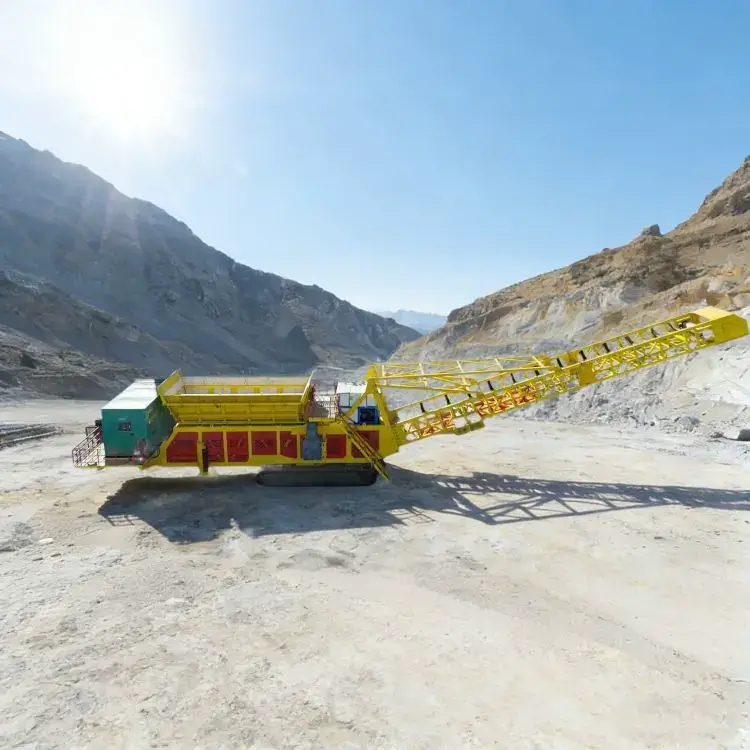
Zoomry hopper feeder for precise bulk material handling. Dur...

ZOOMRY Heavy Duty Hopper Feeder offers a hopper capacity of ...
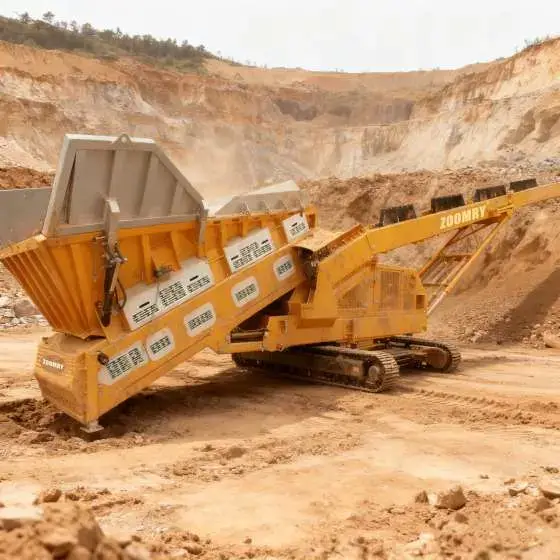
ZOOMRY Low Feed Hopper Feeder boasts a hopper capacity of 7-...
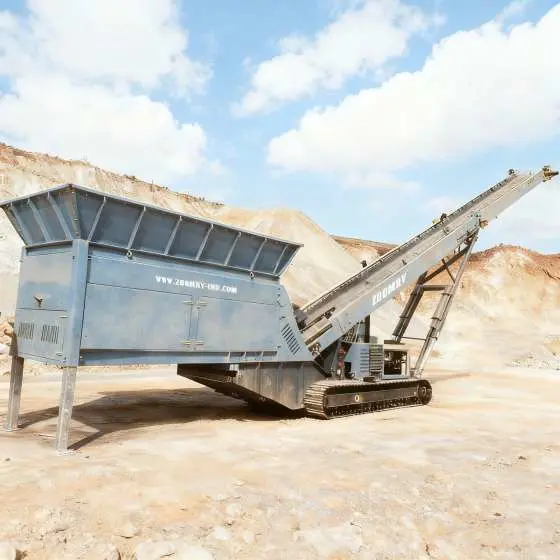
ZOOMRY Tracked Hopper Feeder has a hopper capacity of 7-15 c...
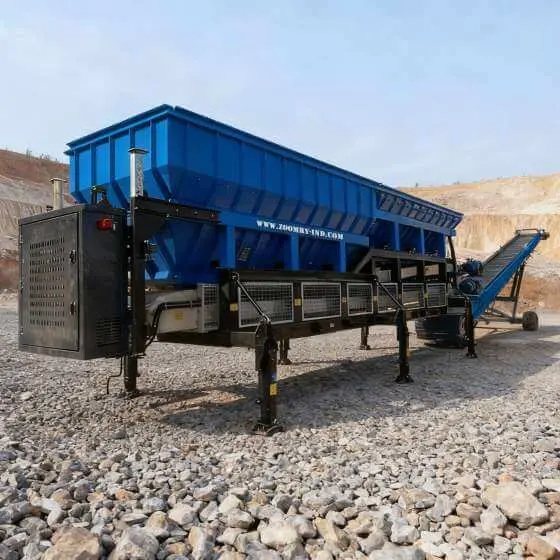
ZOOMRY Static Hopper Feeder features a hopper capacity of 5-...

Enter your email to contact us quickly!
Copyright © 2002-2024 Zoomry Group Company Limited